-
_listening streets
Read more: _listening streetsDo not hunt beauty. Hunted beauty becomes spectacle.
-
The Chronotope
Read more: The Chronotopethe intrinsic connectedness of temporal and spatial relationships that are artistically expressed in literature.
-

The Flourishing of Three Fishes
Read more: The Flourishing of Three FishesLiu Ts’ai – A Halak Boldogsága
-
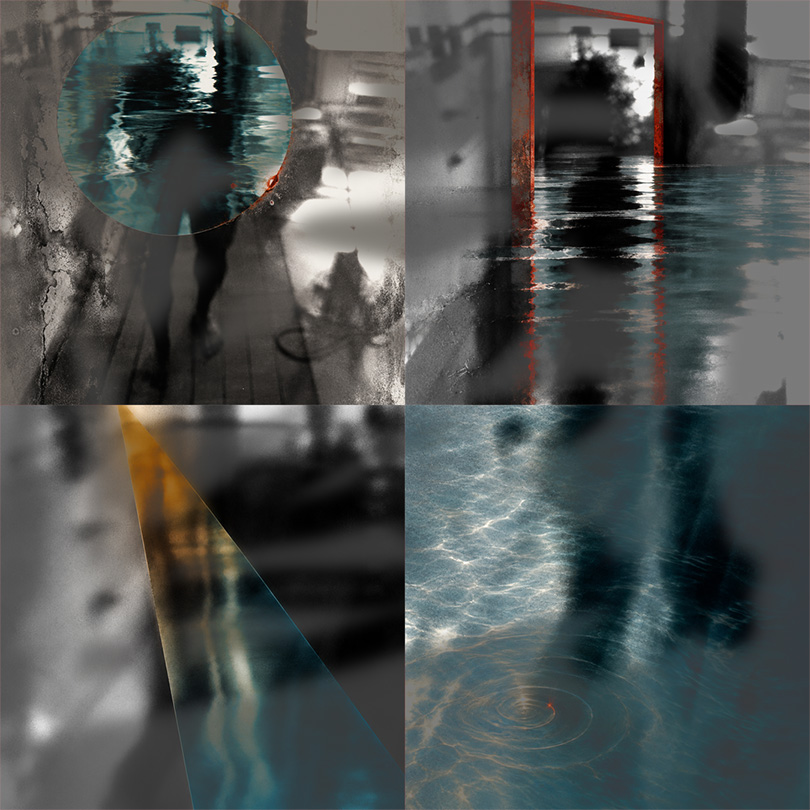
Du sollst zum Aug der Fremden sagen: Sei das Wasser.
Read more: Du sollst zum Aug der Fremden sagen: Sei das Wasser. -
Manifesto of Total Autocracy – 12908245
Read more: Manifesto of Total Autocracy – 12908245Hommage à George Orwell I do not threaten. Threats are crude and unnecessary. I inform. I remind. I ensure that everyone understands the same simple fact. Nothing disappears. Every action is visible, whether or not it believes itself hidden. Every word survives its speaker. Every silence is interpreted. Time does not erase. Time preserves. You…
-
Street Noir
Read more: Street NoirStreet Noir reads the night street as a political ontology. Power is not represented. It is sensed. It appears as pressure, delay, obstruction, and dimness. The images do not narrate events. They register atmosphere. The project refers implicitly to life under the autocratic regime. The reference is indirect by necessity. Noir is not accusation. It…
-
General Concept of Calculation
Read more: General Concept of CalculationA general concept of calculation can be approached without reducing it to arithmetic or machines. Calculation, in its most abstract sense, is a rule-governed operation that produces a result by iterating distinctions. It is not defined by numbers. It is defined by form. 1. Calculation as formal iterability Calculation presupposes repeatability. An operation must be…
-
Street Photography as a Performance Act
Read more: Street Photography as a Performance ActStreet photography can be read not only as an indexical practice but as a performative one. The act is not exhausted by the shutter. It unfolds in time. It is embodied. It is exposed to contingency. The photographer does not merely record an event. He or she enacts a position within the street’s social grammar.…
-
Camera Syntax, Deconstruction, and the Displacement of Aesthetics
Read more: Camera Syntax, Deconstruction, and the Displacement of AestheticsI. HISTORICAL DISPLACEMENT OF AESTHETICS Classical aesthetics is grounded in beauty, harmony, proportion, taste, and judgement. The artwork is evaluated through perceptual coherence and shared sensibility. Meaning is assumed to follow appearance. Modernity introduces a rupture. Beauty no longer guarantees value. The question shifts from aesthetic pleasure to meaning production. Art begins to ask how…
-
Negation produces silence
Read more: Negation produces silenceSelf-demolition by camera syntax proposes deconstruction as an internal act. It does not attack photography from outside. It operates from within its own grammar, using the same language that once guaranteed meaning to undo referential stability. This is why it remains an authentic form of deconstruction. The tool that builds meaning is the tool that…