Temporal Unfolding And Temporal Arrest
The temporality of language and the temporality of photographs intersect in subtle but revealing ways. Both are media that organise time. Yet they do so according to very different logics, and it is precisely in their tension that much of their interpretive power emerges.


Language as temporal unfolding
Language is intrinsically temporal in its operation. Meaning unfolds sequentially. A sentence cannot be grasped all at once, even if read quickly. Syntax organises before and after. Tense, aspect, and modality explicitly encode relations to time. Past, present, and future are not merely referenced but actively constructed through grammar and narrative order.
Crucially, language allows temporal mobility. It can move backwards through memory, forwards through anticipation, or suspend time altogether through description or reflection. In discourse, time is elastic. A single moment can be expanded across pages. Years can be compressed into a clause. Language therefore produces time as duration, sequence, and interpretation rather than as a fixed point.
Context amplifies this. The meaning of an utterance depends on when it is said, recalled, or read. Repetition does not stabilise meaning. It shifts it. Language is always situated in a present that reframes its past uses and future implications.
Photography as temporal arrest
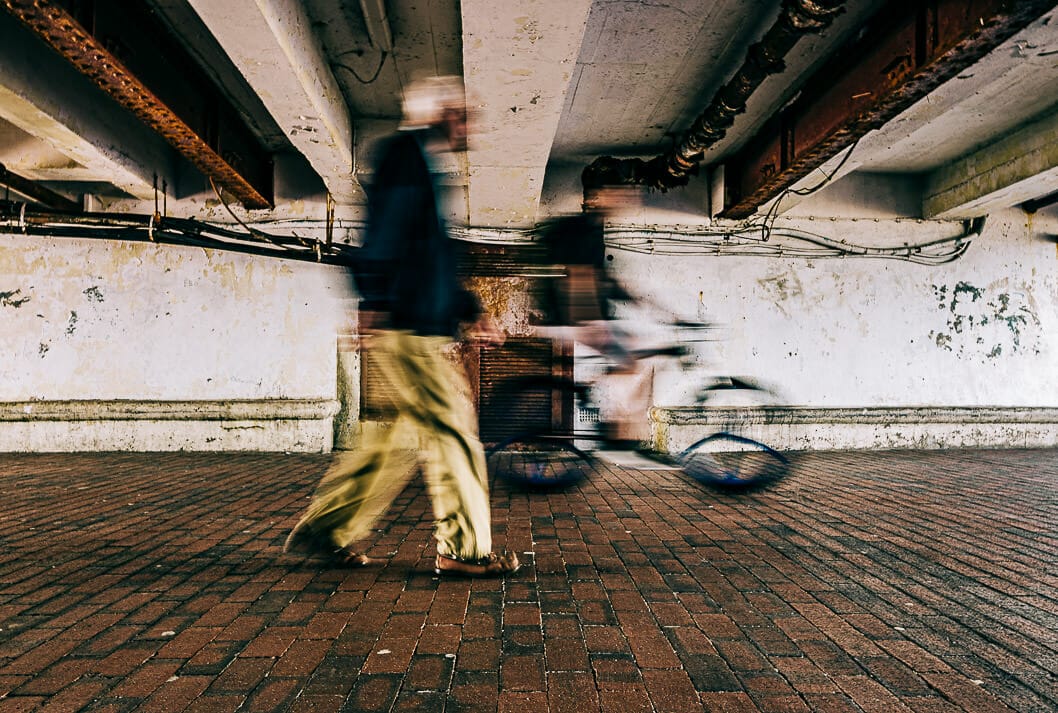
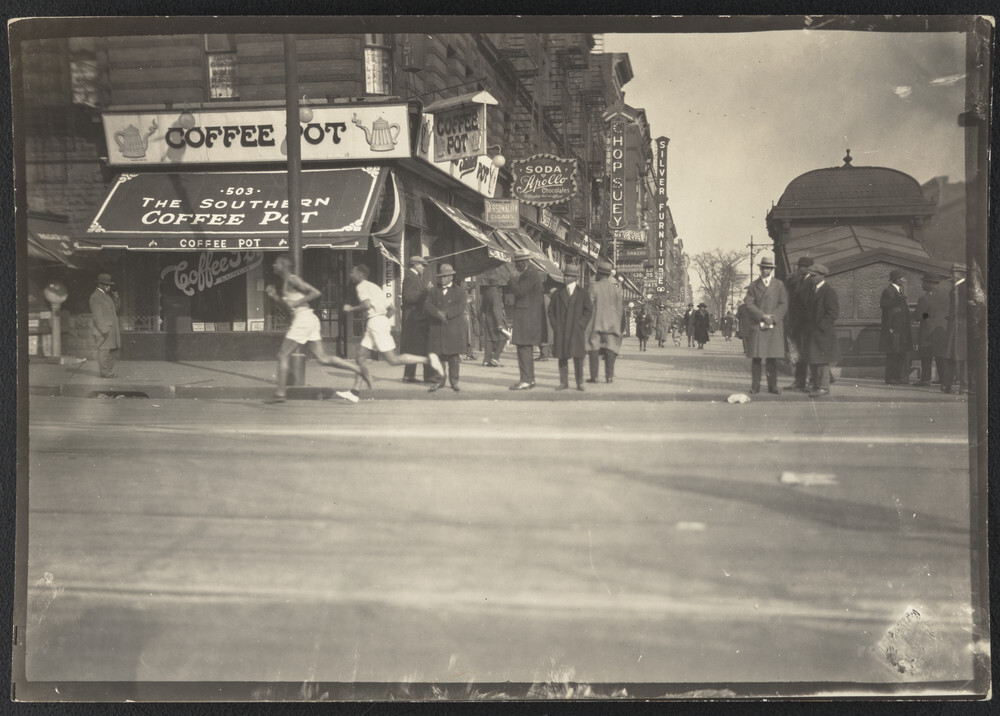
A photograph operates differently. It arrests time. It presents a slice of the world that has already passed, yet appears persistently present. The photographic image insists on a paradox. This happened, and it is no longer happening. The viewer confronts a visual present that is inseparable from a past moment.
Unlike language, a photograph does not unfold. It confronts. Its temporality is instant and simultaneous. All visible elements appear at once, even though the moment they depict may have been fleeting. The photograph therefore collapses duration into an image that resists narrative progression.
Yet photographs are not temporally neutral. They are haunted by time. Ageing, historical knowledge, and personal memory alter how an image is read. What was once banal can become poignant. What was once documentary can become elegiac. Time enters the photograph not through its internal structure, but through the viewer’s changing context.
Language in the presence of photographs
When language encounters photography, temporality multiplies. Captions, descriptions, and narratives reintroduce sequence and causality to an image that itself is static. Language asks questions the photograph cannot answer alone. What came before. What followed. Why this moment mattered.
At the same time, photographs resist full linguistic containment. They anchor language to a stubborn pastness. Words may speculate or narrate, but the image continually returns the viewer to a specific, unrepeatable instant. This tension prevents language from becoming purely abstract. It must negotiate with visual evidence that both confirms and exceeds description.
In contextual settings such as archives, journalism, or family albums, this interaction becomes especially clear. Language dates, classifies, and explains. The photograph silently asserts presence and loss. Together, they construct layered temporalities. The time of the event. The time of the image’s production. The time of its viewing. The time of its telling.
Convergence and divergence
Language is temporal because it moves. Photography is temporal because it stops. One produces meaning through progression. The other through suspension. In context, they do not cancel each other out. They deepen each other.
Language gives photographs a temporal horizon. Photographs give language a temporal anchor. Between them emerges a complex experience of time. Not simply past or present, but remembered, interpreted, and continually reactivated.