Text and Image: Parallel Interpretations on Ontological Bases
Key Concepts
- Ontologies: Formal models that define a set of concepts within a domain, their properties, and the relationships between them. In this context, ontologies provide the shared, structured background knowledge necessary for interpretation.
- Semantic Interpretation: The process of recognizing entities and relations within an image or text and linking them to concepts within an ontological resource.
- Multimodal Integration/Alignment: The core strategy of combining or fusing information from different modalities (text and image) to complement each other and provide a more comprehensive understanding of the shared context or scene.
- Bridging the Semantic Gap: Ontologies help connect the raw, sensory data (pixels, words) to meaningful, machine-readable concepts and knowledge, which is a major challenge for artificial systems.
1. Ontology of the photographic image. From being to trace
Core literary sources: phenomenology, deconstruction
Key thinkers: Martin Heidegger, Jacques Derrida
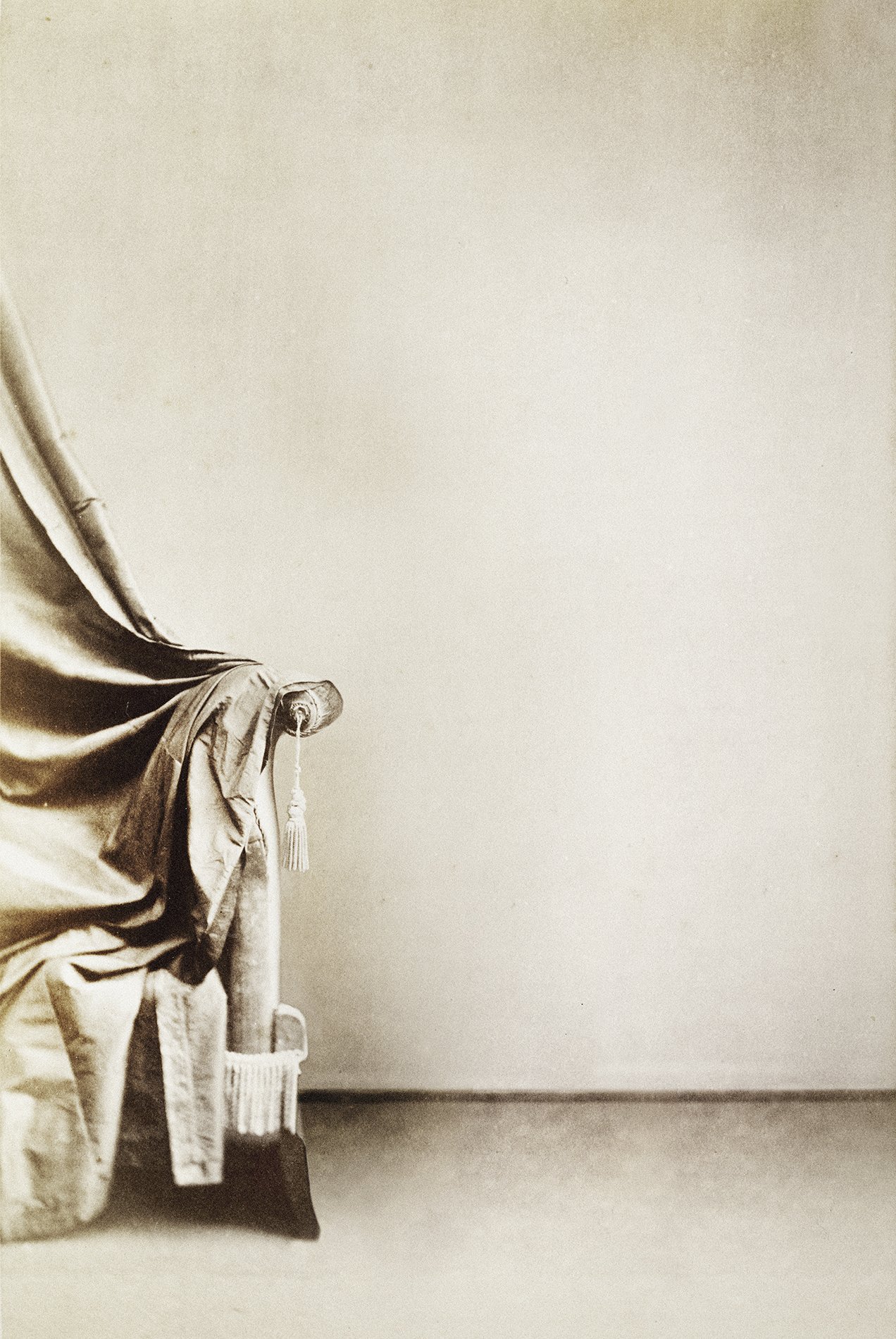
In literary ontology, the text is not a stable object. It is an event of appearance, withdrawal, and différance. Meaning is never present in full.
Applied to photography:
- The photograph is not an object but a remainder.
- It is the trace of an encounter between world, time, and apparatus.
- What matters is not what the image shows, but what has already passed.
Operational principle:
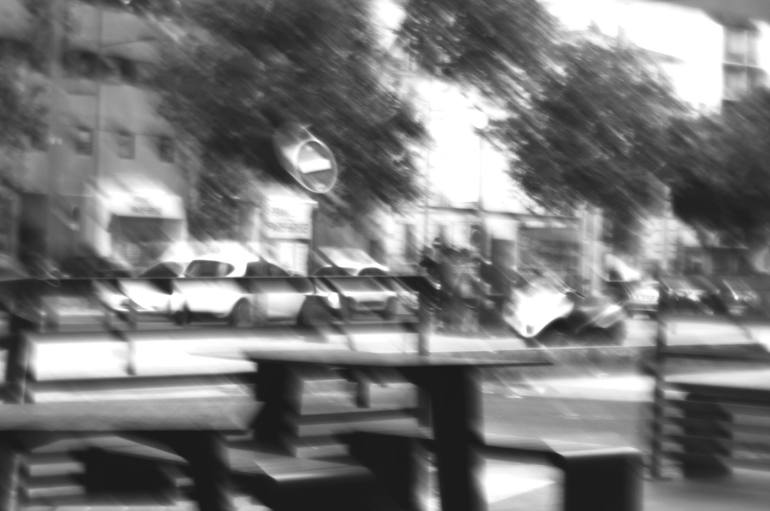
- Treat every photograph as ontologically incomplete.
- Avoid closure, climax, or explanation.
- Let absence, blur, occlusion, or lateness carry meaning.
Photography becomes ontological residue, not representation.

2. Textuality and intertextuality. The image as a field of relations
Core literary sources: structuralism, post-structuralism
Key thinkers: Roland Barthes, Julia Kristeva
In literary theory, no text is autonomous. Every text is a crossing of other texts.
Applied to photography:
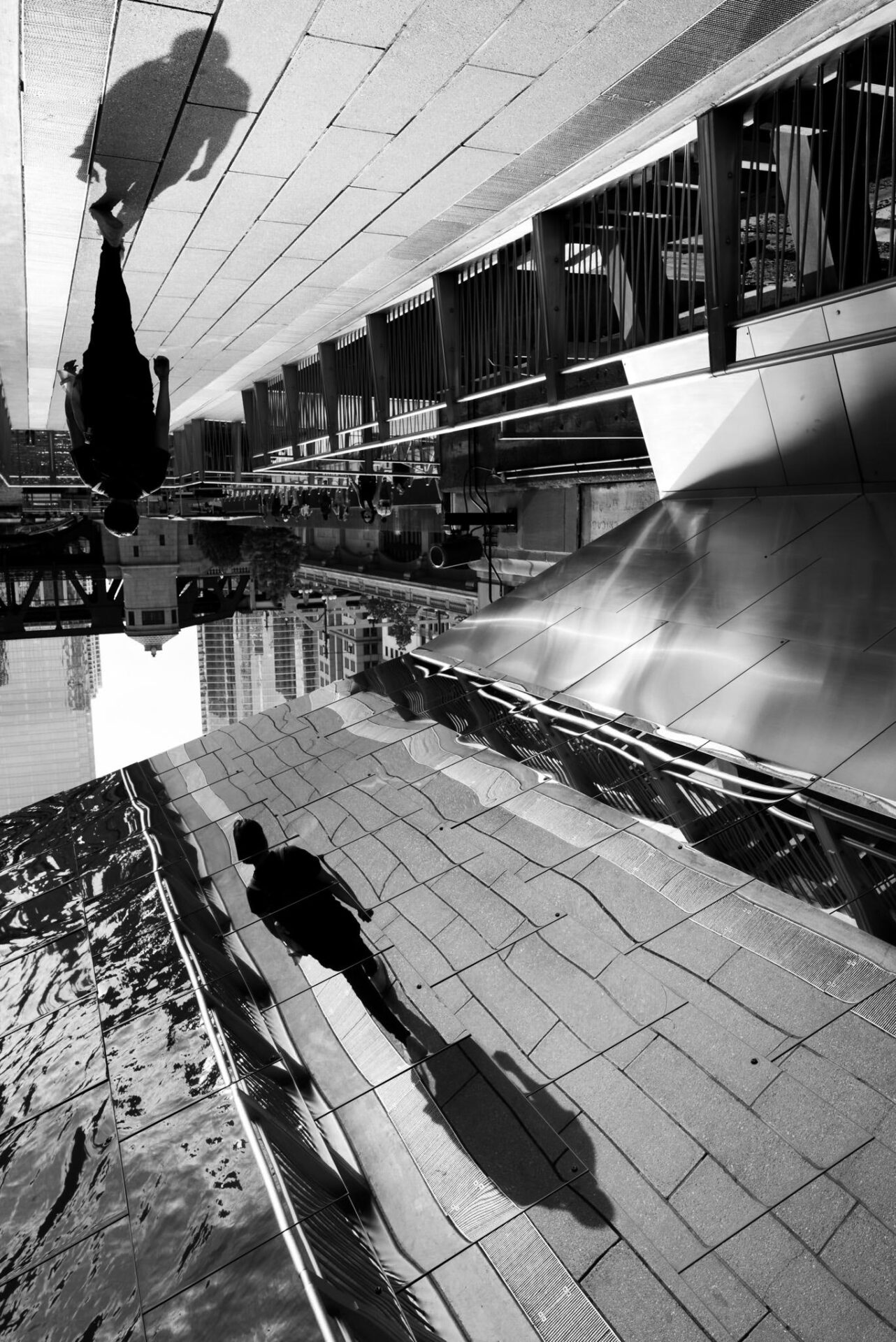
- No image stands alone.
- Each photograph refers to other images, genres, visual clichés, historical archives.
- The meaning of an image arises between images, not inside them.
Operational principle:
- Sequence matters more than individual photographs.
- Work with repetition, variation, and echo.
- Allow images to contradict or erode one another.
The project becomes a visual intertext, not a portfolio.


3. Temporality. Narrative time versus lived time
Core literary sources: narratology, phenomenology
Key thinkers: Gérard Genette, Henri Bergson
Literary time is non-linear. Narrative manipulates duration, order, and frequency.
Applied to photography:
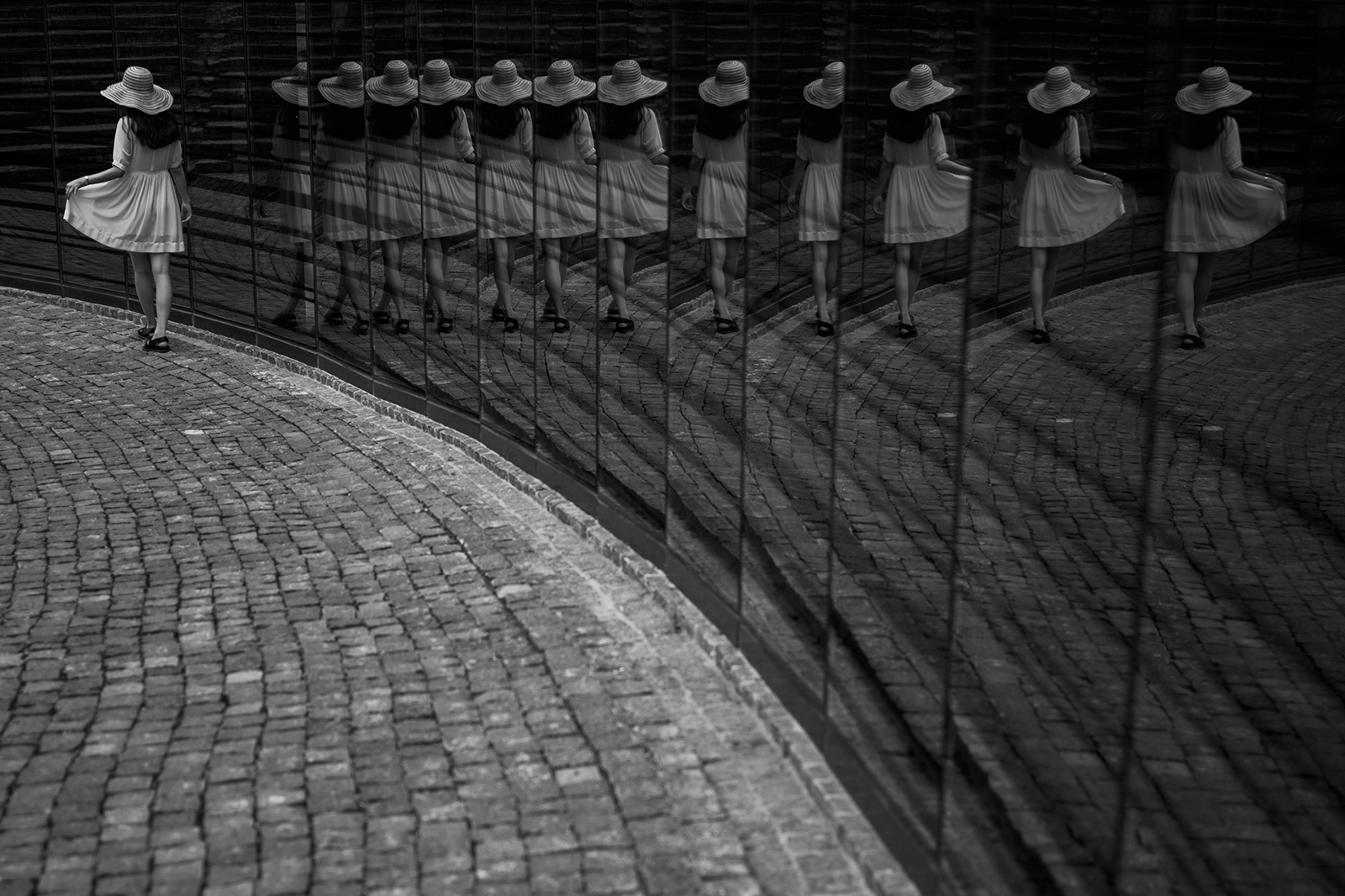
- A photograph freezes time, but projects duration.
- The image is a cut that implies before and after.
- Series can produce rhythm, delay, and temporal distortion.
Operational principle:
- Use timestamps, repetition of locations, or near-identical frames.
- Show time as erosion, not event.
- Let duration emerge across the series, not within the single frame.
Photography becomes temporal writing with light.


4. Death of the author. Displacement of intention
Core literary sources: post-authorial theory
Key thinkers: Roland Barthes, Michel Foucault
In literary criticism, the author is no longer the source of meaning. The text exceeds intention.
Applied to photography:
- The photographer is not the authority of the image.
- Meaning emerges in viewing, sequencing, and context.
- The image must resist explanation by its maker.
Operational principle:
- Avoid captions that explain.
- Avoid statements that fix meaning.
- Allow misreading, drift, and silence.
The photographer becomes a function, not a voice.
5. The punctum. Affective rupture instead of message
Core literary sources: affect theory, reader-response criticism
Key thinker: Roland Barthes
In literature, some elements wound the reader beyond interpretation.
Applied to photography:
- The punctum is not planned.
- It appears as excess, accident, or irrelevance.
- It cannot be formalised, only enabled.
Operational principle:
- Leave room for noise, error, and banality.
- Do not polish away marginal elements.
- Trust the unintended.
Photography becomes an affective event, not a communicative act.


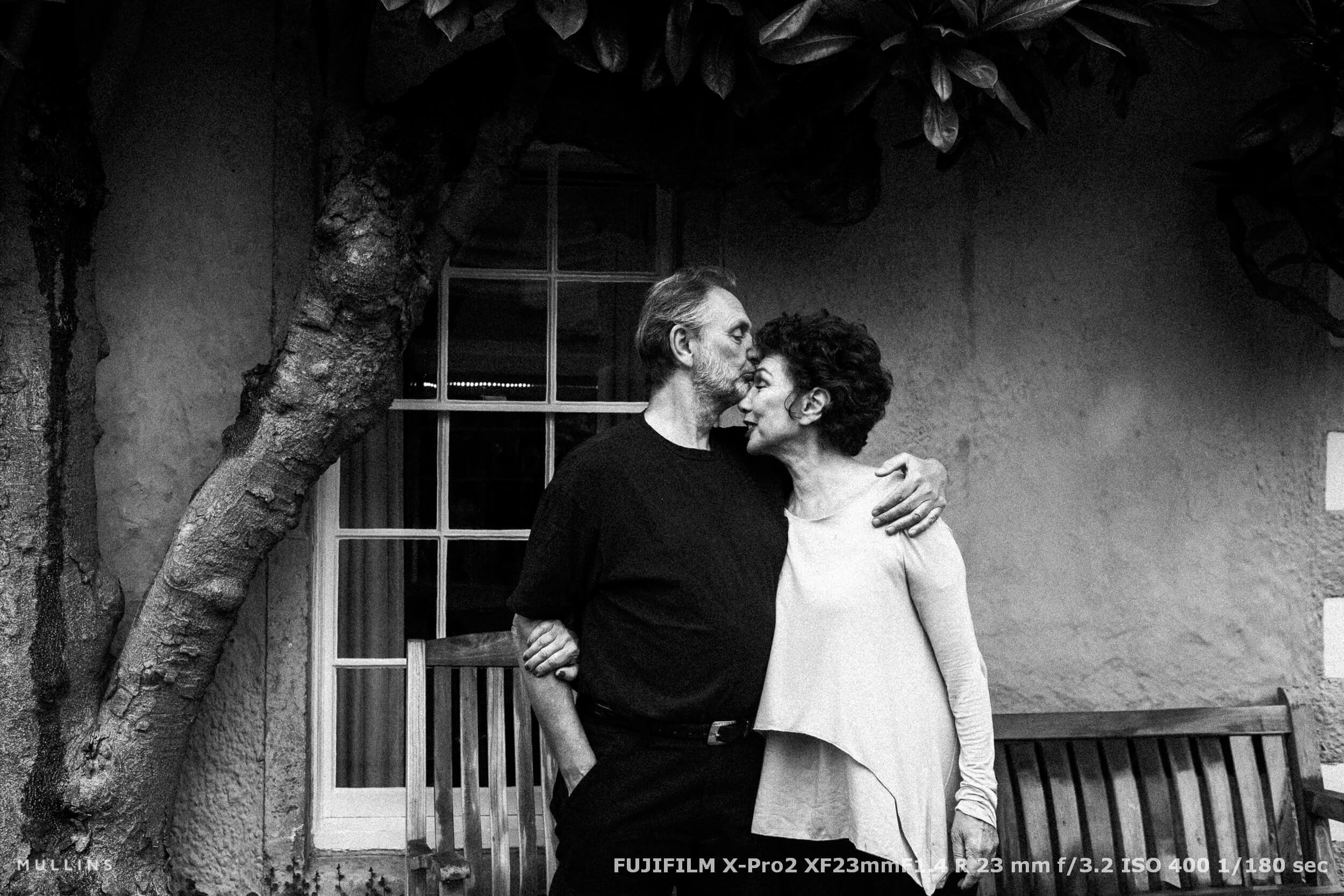
6. Ontological summary. Photography as literary practice
When literary theory is applied at the structural level, a photography project becomes:
- Not representation, but trace
- Not narrative, but temporal tension
- Not expression, but displacement
- Not authorship, but circulation
- Not meaning, but conditions of meaning
Photography operates as a non-verbal literary system, written in light rather than language.